Owning an RV can feel like the ultimate freedom—endless road trips, camping in the great outdoors, and exploring new places. However, as with any investment or piece of equipment, RVs require maintenance to keep running smoothly. Whether you’re planning a long-distance adventure or simply using it as a weekend getaway, regular RV inspection service can save you from costly repairs down the line.
In this post, we’ll explain why these proactive checks are a smart decision that not only ensures the longevity of your vehicle but also saves you thousands in unexpected repairs. Inspections help catch small issues before they become costly repairs, keeping your RV in tip-top shape for your next adventure.
Are RV inspections worth it?
In short, definitely! An RV is a complex vehicle that combines the elements of a car, a home, and sometimes even an office. With all these systems working together, things can go wrong if not checked regularly. A regular RV inspection can help spot small issues before they turn into major, expensive problems. Much like any car or truck, your RV’s engine, brakes, tires, and other mechanical components need routine maintenance to ensure they’re functioning properly. If these areas are neglected, you might find yourself stranded or facing a hefty repair bill.
What are the benefits of an RV inspection service?
Regular RV inspections are a small investment that can save you thousands in repair costs and prevent you from being stranded on the side of the road. From engine maintenance to tire checks and roof inspections, these proactive measures ensure that your RV stays in top condition. Here are the 5 key benefits of timely RV inspection service:
1. Proactive prevention
When it comes to RVs, prevention is always cheaper than repair. By scheduling regular inspections with a qualified RV technician, you can catch issues early on and address them before they escalate. For example, a small crack in your RV’s plumbing system might seem insignificant, but if left unchecked, it could lead to water damage, mold growth, or a complete system failure. These types of repairs can cost thousands of dollars, not to mention the potential for property damage or water-related health risks.
Similarly, issues with your RV’s electrical system, like frayed wiring or corroded connections, could result in fires or short circuits. These problems can be detected during a routine inspection, potentially saving your RV from a total electrical failure and preventing costly repairs.
2. Maintaining the engine & brakes
Just like any other vehicle, an RV’s engine and brake system require regular checks to ensure they’re in good condition. If you’re planning to take your RV on long trips or through mountainous terrain, the last thing you want is an engine failure or brakes that aren’t functioning properly. Regular maintenance of the engine, including oil changes, filter replacements, and checks for leaks, ensures that your engine runs smoothly and prevents breakdowns.
The brake system, particularly, is essential for your safety. An inspection will assess the condition of brake pads, rotors, and brake fluid. If there’s an issue, it’s much cheaper to replace worn-out brake pads than it is to deal with a complete brake system failure during a trip. A failure like that could not only lead to expensive repairs but could also cause a dangerous situation while on the road.
3. Tires & suspension
The tires on your RV are one of the most important safety features, and maintaining them is essential. RVs are heavy vehicles, and the tires need to be in top shape to safely carry that weight. Tires that are improperly inflated or have worn-out tread can lead to blowouts, accidents, or even costly suspension repairs. During a routine inspection, a technician will check tire pressure, tread depth, and overall tire health to ensure they’re ready for the road.
The suspension system is another crucial component that often goes unnoticed. If it’s not functioning correctly, it can lead to uneven tire wear, poor handling, and reduced safety. A proper inspection will assess the shocks, springs, and other suspension components to ensure the RV is driving smoothly and safely.
4. Roof & seals
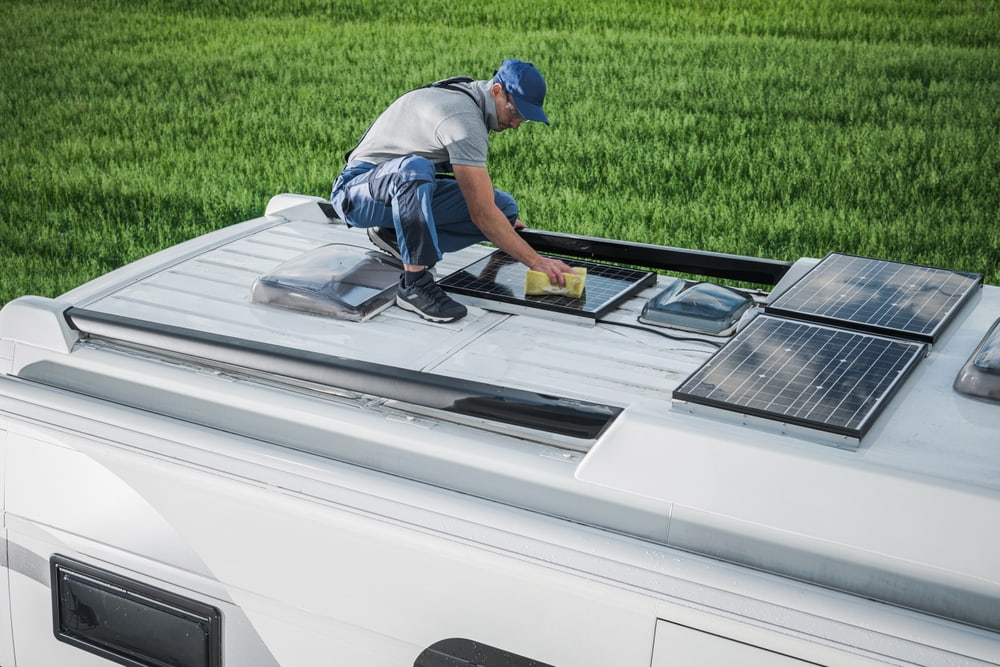
Another often overlooked aspect of RV maintenance is the roof and seals. The roof of your RV is exposed to harsh weather conditions, and over time, the seals around windows and doors can deteriorate. If these seals are damaged or worn, they can lead to leaks, which, if left untreated, can result in mold growth or structural damage. A routine inspection will check the integrity of the roof and seals, ensuring that any necessary repairs are made before moisture seeps in and causes significant damage.
5. Save time & money
One of the biggest advantages of regular RV inspections is the time and money saved by preventing major repairs. Most RV owners don’t realize the severity of problems until they’re on the road and things break down. By scheduling regular inspections, you’re ensuring that all systems are functioning as they should, reducing the likelihood of breakdowns during your travels. This not only saves you the cost of emergency repairs but also the hassle of dealing with breakdowns in unfamiliar areas, potentially leading to delays and even missed vacations.

Who should I turn to for dependable RV inspection service near me?
Before you start burning rubber and embracing the next chapter of your highway adventure, make sure your RV is ready for the journey ahead—schedule a regular inspection and avoid the potential pitfalls of costly repairs. This is where The RV Shop steps in to make sure you have a safe and enjoyable journey and that your rig is ready to hit the road in style.
If you’re not sure how often you need to service your RV or what should be included in routine checkups, just give us a call, and our technicians will help you understand the ins and outs of the maintenance process. Don’t risk or wait, contact us today to set up your service appointment!