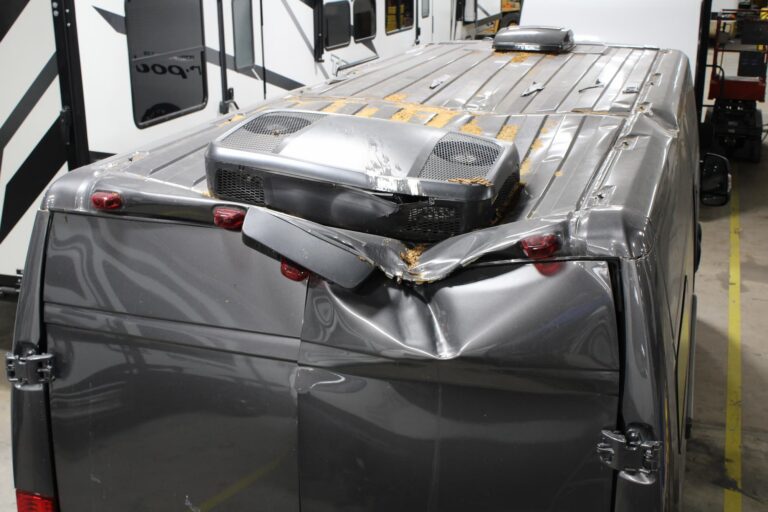
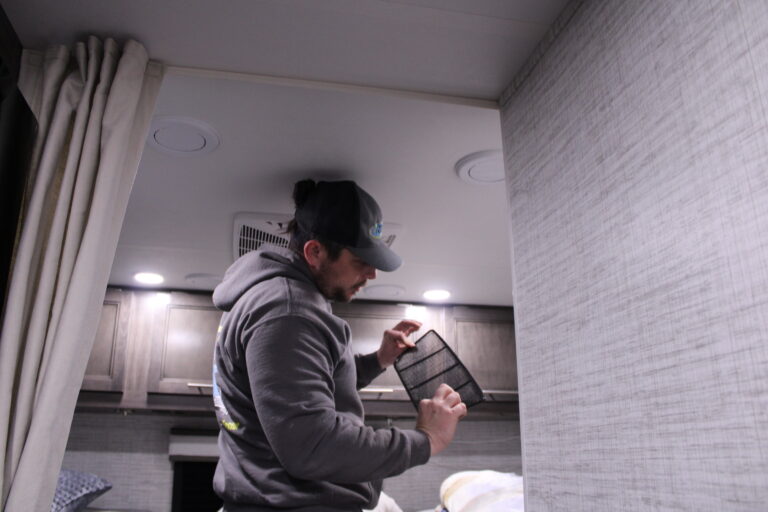
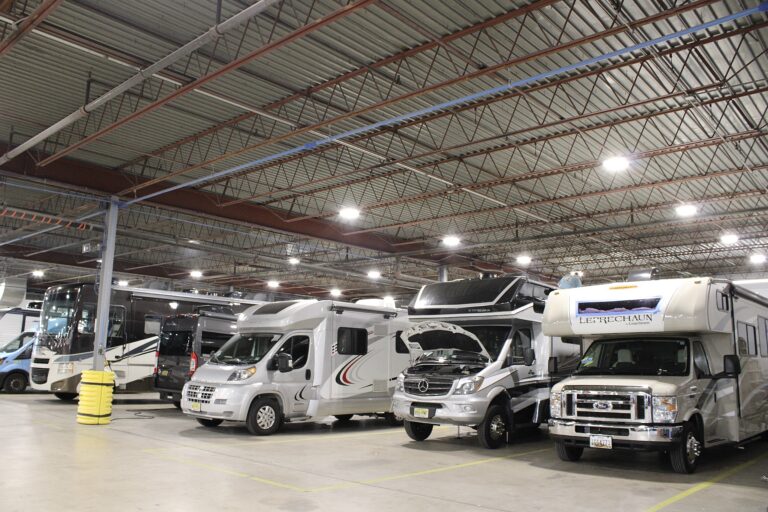
Even careful drivers can be involved in an accident, and when they involve a large vehicle like an RV, the damage is rarely as simple as a dented bumper. An impact can affect exterior panels and may also cause damage to the frame.
RV collision repair can involve anything from cosmetic repairs to structural work, and knowing what that process actually looks like can make a stressful situation easier to manage. Understanding the sequence makes it easier to evaluate estimates and spot a shop that’s skipping steps.
Keep reading to see what RV collision repair actually involves.
What steps are involved in repairing RV collision damage?
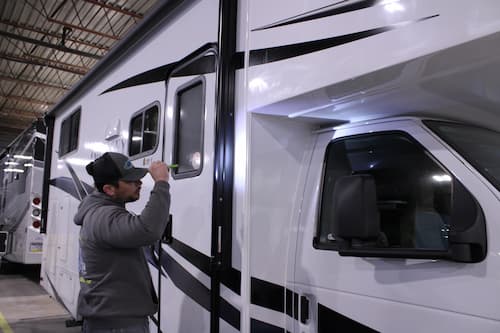
No two accidents cause identical damage, but the repair process generally follows a similar path from inspection through final testing. Knowing what that process involves can help you ask more informed questions when comparing estimates.
The initial damage assessment
Collision damage is rarely just cosmetic. A creased panel often means the frame behind it moved, and how far the impact reaches decides whether you’re looking at a mobile RV repair service visit or towing to a shop. Call a technician before you commit either way, since a description and a few photos usually settle it.
Wherever the work happens, the first step is the same. A technician checks the frame and undercarriage alongside the visible panels, confirms whether alignment shifted where the exterior looks untouched, and settles whether a panel gets saved or replaced.
Structural and frame work
If the frame or chassis took the brunt of the impact, that has to be addressed before any cosmetic work starts. A frame that’s slightly out of alignment can cause uneven tire wear and door or window seals that no longer fit properly.
Correcting frame alignment requires specialized equipment that can measure and adjust the structure accurately. Skipping or rushing this step is one of the most common reasons the job doesn’t hold up over time.
Panel work and refinishing
Once the structure is sound, attention turns to the exterior panels and siding. Depending on the material, a technician might restore a panel in place or replace it entirely, then match the paint so it blends with the rest of the exterior.
Matching the color and texture accurately requires experience, since even a slight mismatch is noticeable in direct sunlight. This stage also covers smaller details like trim and hardware that often get overlooked but affect how well the unit holds up to weather down the road.
Why this work is best left to trained hands
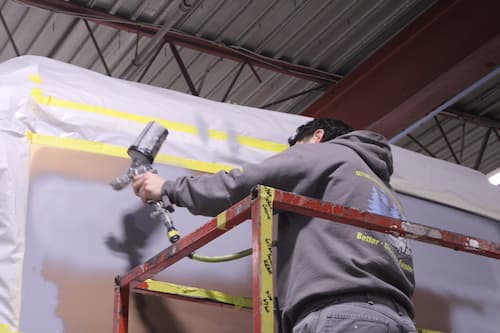
It’s easy to underestimate how much skill goes into getting a job right the first time. An experienced technician knows how to identify subtle signs of frame damage that may not be visible during a quick inspection, and understands how one damaged component can affect several others down the line.
A background in general vehicle work doesn’t cover it, since RV bodies, chassis, and interior systems all respond differently to the same impact. Incomplete repairs can lead to additional costs or problems that appear after the original work is finished.
Final inspection and testing
Before the repair is complete, the RV should undergo a full vehicle inspection to confirm that affected systems function properly. Doors and windows are tested for proper operation, while slide-outs and seals are checked for any remaining issues. Water testing may also be performed because a seal can appear intact while still allowing moisture to enter.
Who offers reliable RV collision repair?
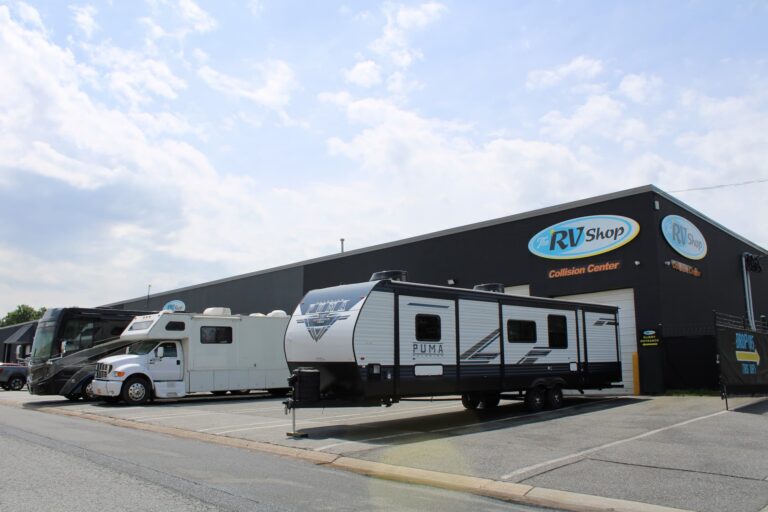
Getting your camper back on the road after an accident takes more than a quick patch job, and choosing the right shop makes all the difference. The RV Shop handles everything from initial assessment through final testing, so nothing gets missed along the way. If you’re near the Chesapeake Bay Bridge or anywhere else in the surrounding area, having a shop that understands the full scope of the work matters more than convenience alone.
Don’t settle for a rushed fix on damage that could affect how your rig holds up down the road for years to come. Give us a call today to get started.